How do you choose the perfect Christmas ham?
I get a bone-in ham and when all the ham is eaten, I chuck the bone in the freezer and make ham and pea soup in winter. My family isn’t large so we usually get a small ham but then we end up grumbling when the ham runs out too quickly after Christmas Day! If you can’t get a ham made from a pasture-raised, heritage breed pig, then the next best thing is a free-range ham.
What makes regenerative, pasture-raised pigs special?
I could talk about this under wet cement and, actually, I wrote a book about it! So the full answer is there in The Ethical Omnivore. But the short answer is that by every measure - animal welfare, environmental outcomes, flavour and quality - pasture-raised, heritage-breed pork is peerless. Over 95% of commercially available pork in Australia comes from white pig breeds that are designed to grow fast, yield lots of loin and belly, eat a restricted diet and live in contained conditions.
By contrast, pasture-raised, heritage breeds are slow growing and designed to thrive outside, free to forage, express instinctive behaviour and benefit from all the life and vitality of holistically-managed landscapes. The difference in flavour is a revelation. We know that diversity determines resilience and so much of our agriculture is mono-cultural. I’d love to see more farmers growing heritage breed animals.
What drew you to whole-animal butchery?
This goes to the heart of the marketing challenge at a business like Feather and Bone, inspiring customers to become active agents in supporting a healthier food system. The product needs to be delicious and cost and convenience matter, but the real story is aligning value system with choices – knowing that your purchase supports healthier food, agriculture, landscapes and communities. Healthy farming delivers the best flavour!
The consolidation and corporatisation of farming and production processes means whole animal butchery is uncommon these days and it's a challenging business model. But buying whole animals direct from the regeneratively-managed farms results in a clear line of sight from farm to table and there’s a wonderful story to tell. There’s also greater traceability, quality control, accountability and the joy of having the entire animal to work with. But the economics don’t stack up if you can’t sell the whole animal so consumers have to be encouraged to venture out of the steak, mince and chicken breast comfort zone.
After 18 years, I recently left Feather and Bone and now I'm looking for new stories to tell to help build a healthier food system.
Do you have any tips for presenting a ham beautifully at the table?
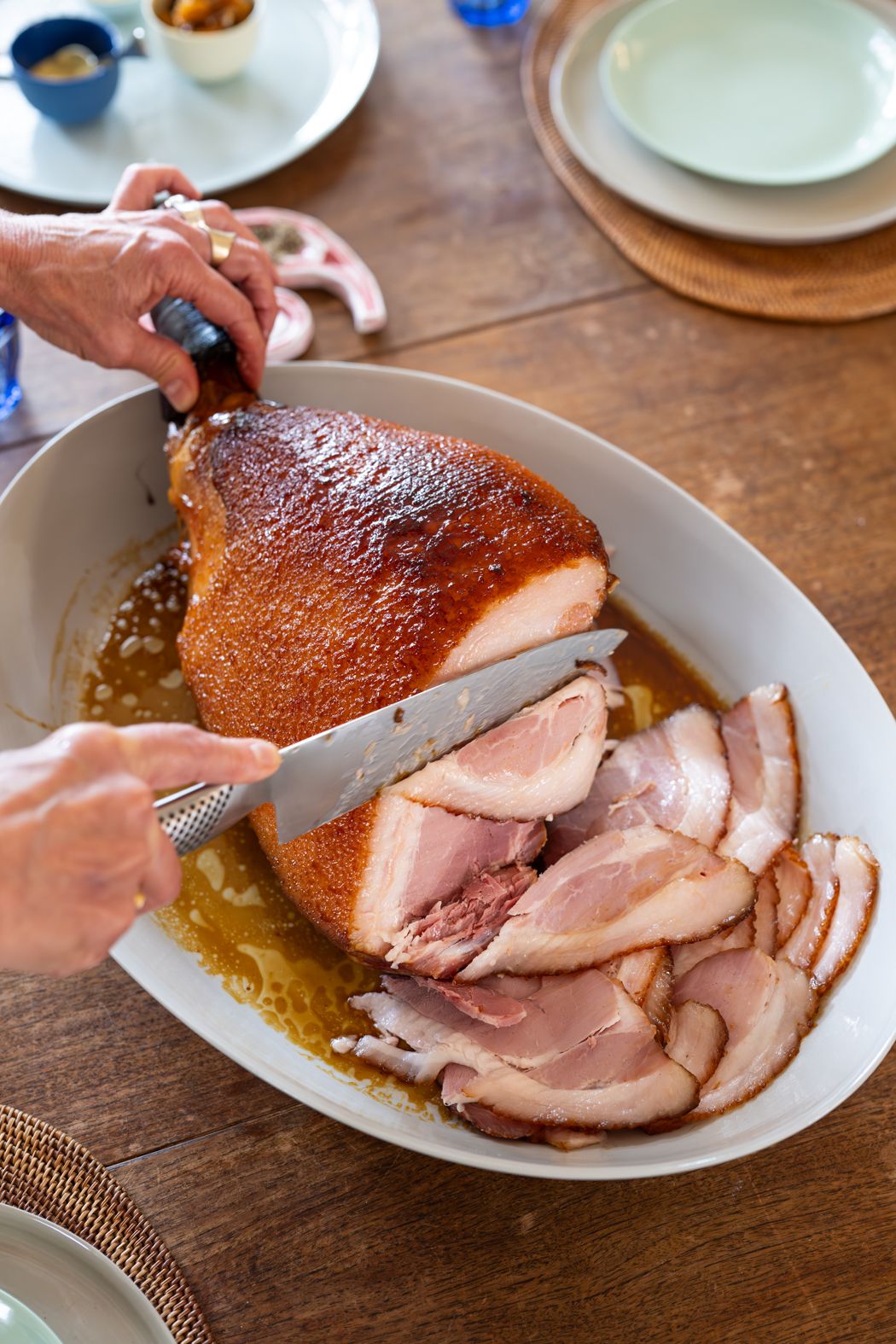
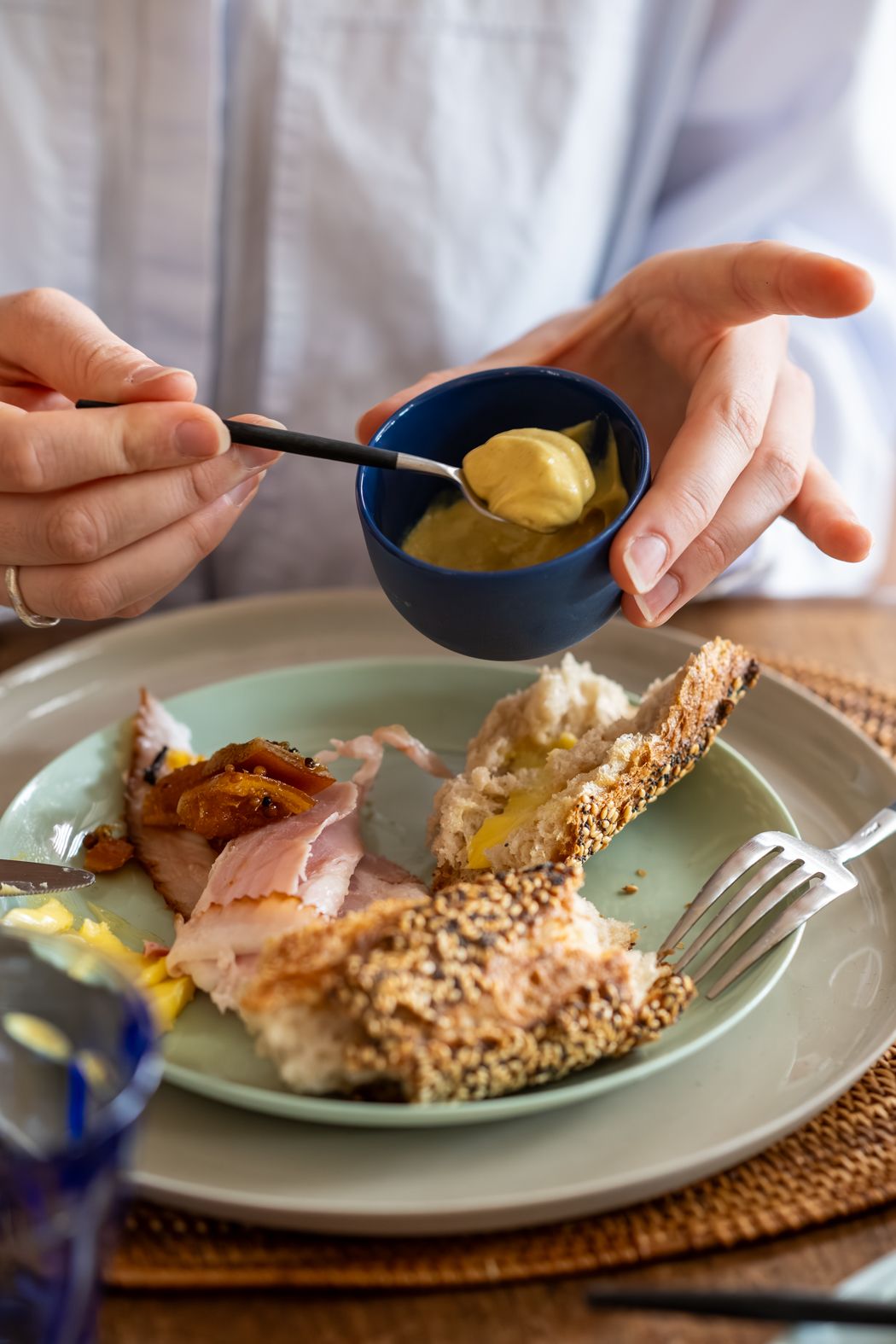
I used to transfer my ham from the baking tray onto a serving platter but I’m very greedy and I resented leaving even a drop of the delicious glaze and basting liquid in the baking tray. I also have a slight resistance to things looking too perfect and I like seeing evidence of the cooking process. So now I bake the ham in the Mud Baker Oval or Paris Platter then serve it, cooking splatters and lip-smacking juices all intact! It looks spectacular.
Any glazing or cooking tips for the ultimate ham?
I’m always surprised when people are nervous about glazing a ham because honestly it’s the easiest thing in the world, even I can do it! Essentially, all you’re doing is warming the ham and caramelising the fat. The only rule is to keep the temperature fairly low so it’s a gradual process, baste continuously (every 15 minutes) and don’t go too dark or the sugars in the glaze will burn a little and turn bitter.