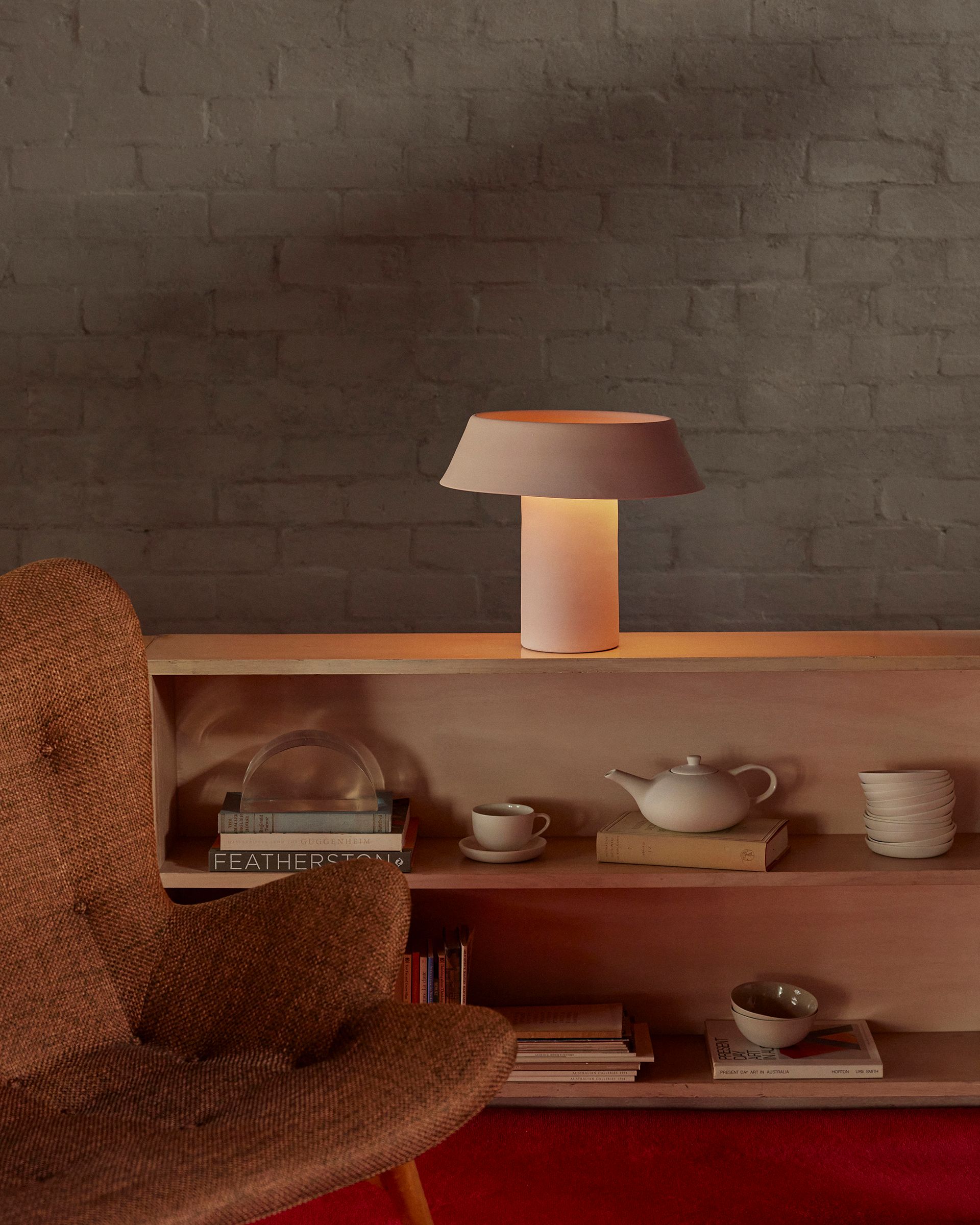
Discover our unique collections, thoughtfully designed to suit every style and occasion.
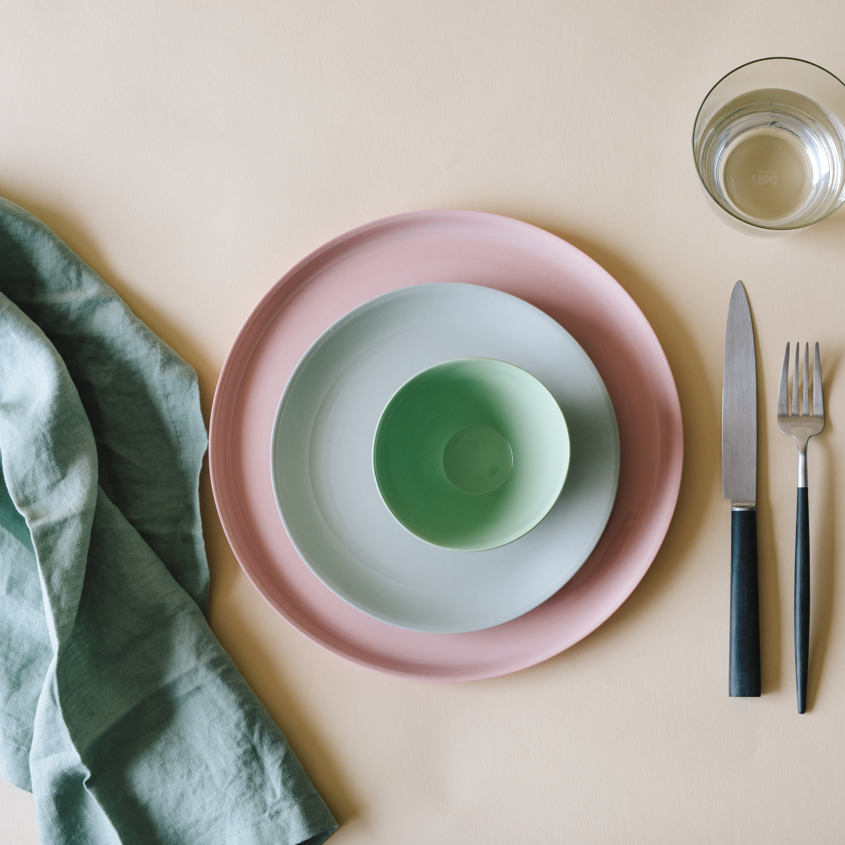
Since 1994, Mud Australia has created elegant and timeless porcelain homewares.
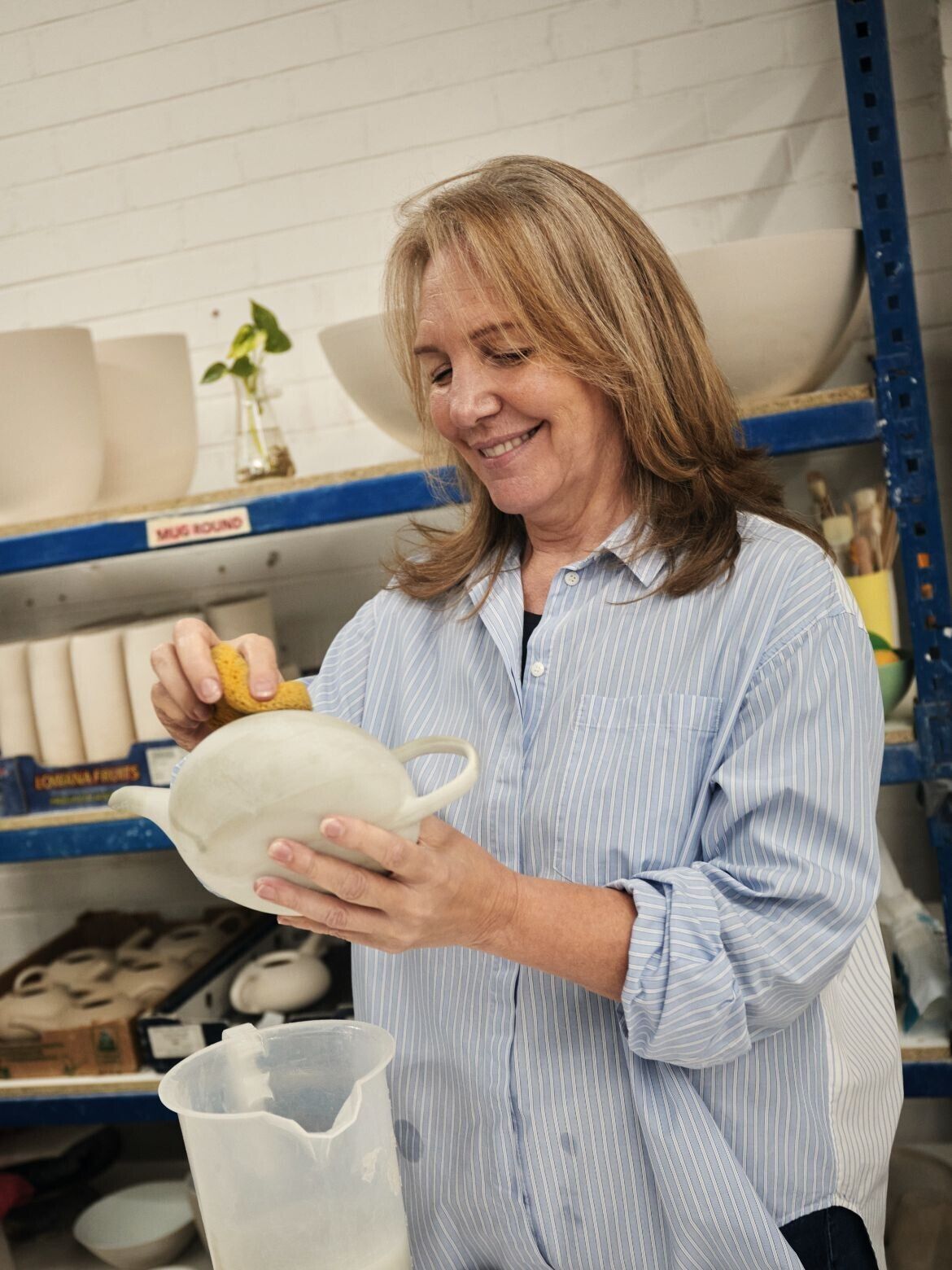
The original Mud Australia store opened in Woollahra in 2007. Since then we’ve opened 14 stores globally.
A quiet place to share inspiration, stories and recipes.
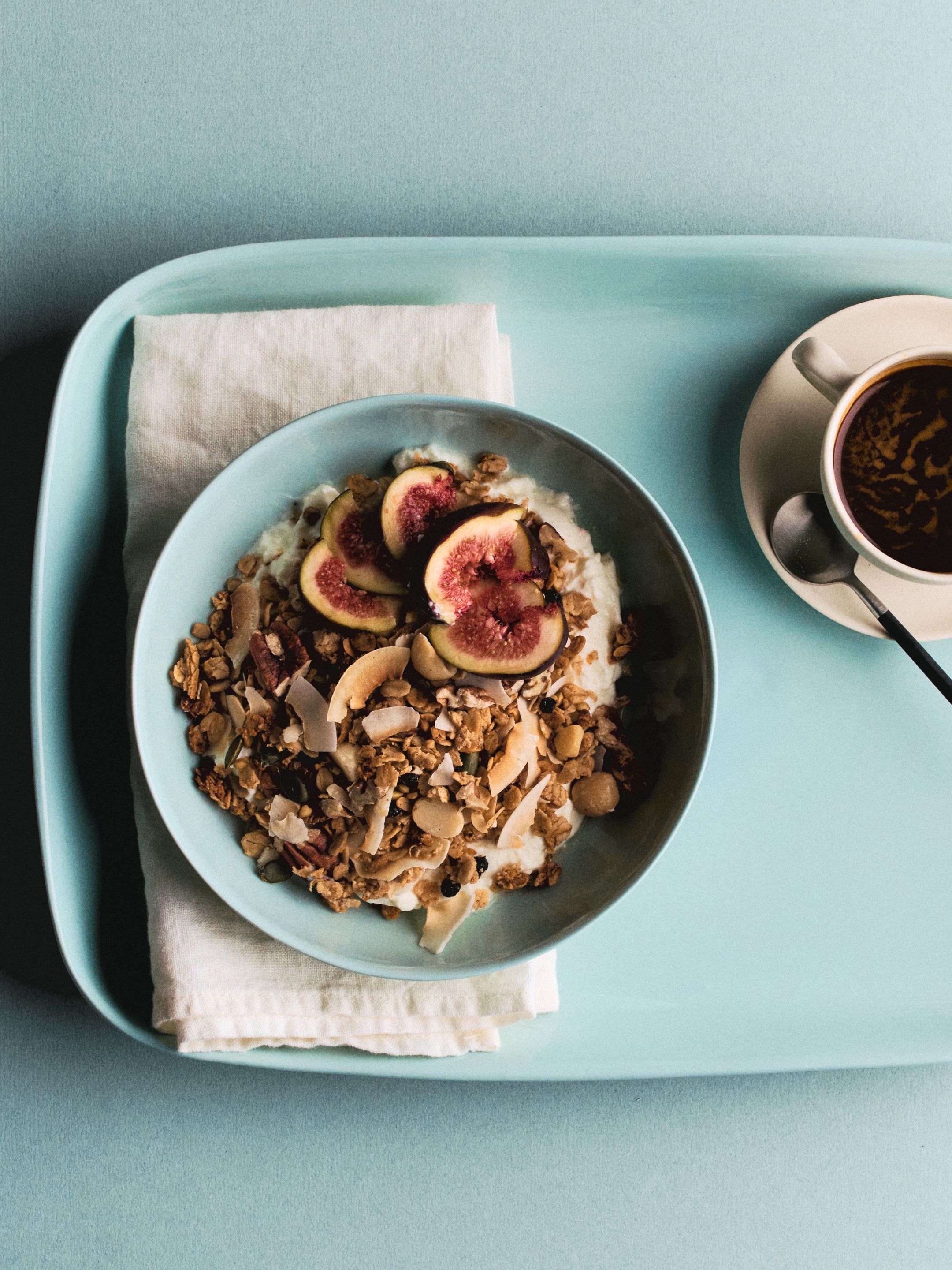
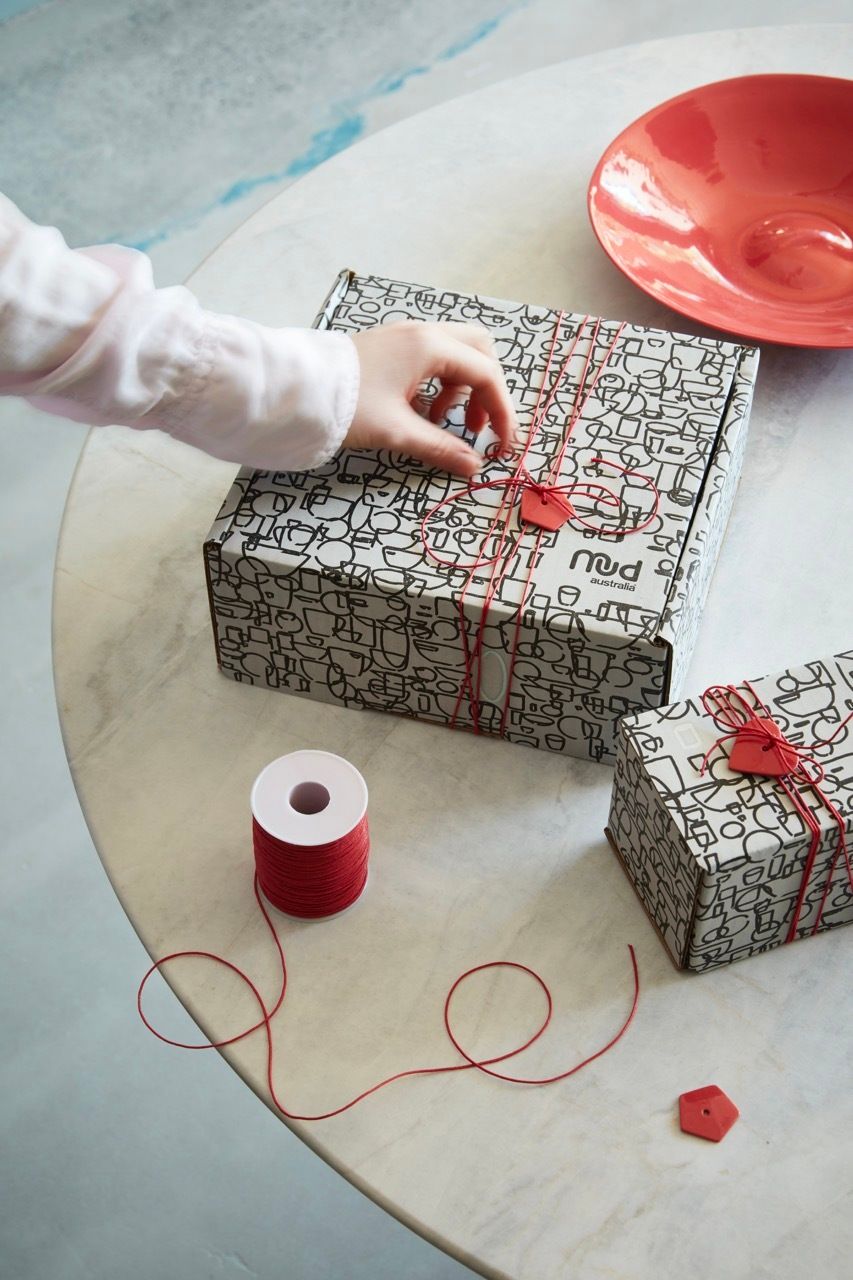
Explore inspiration, gift registries, corporate gifting and gift cards.
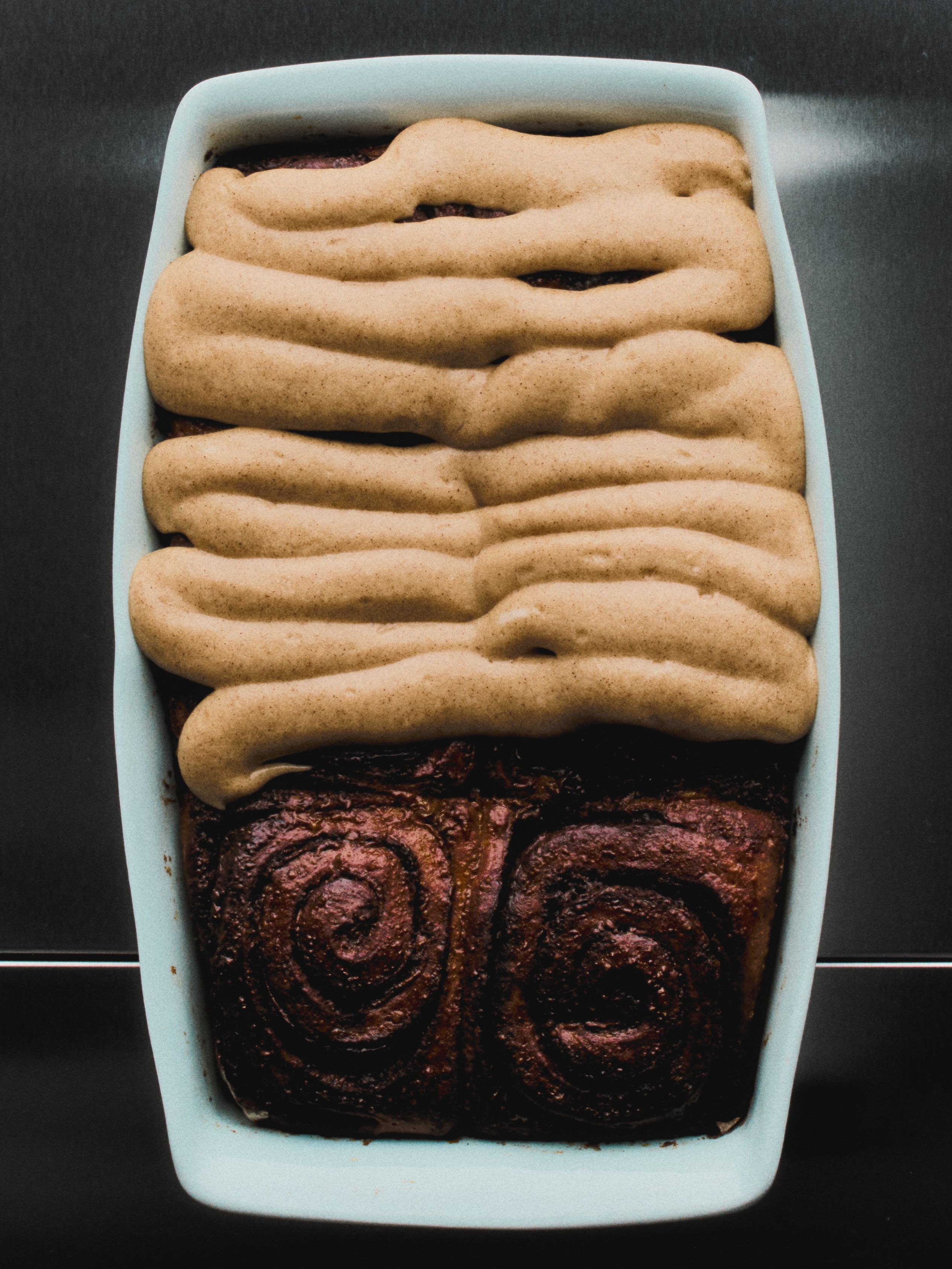
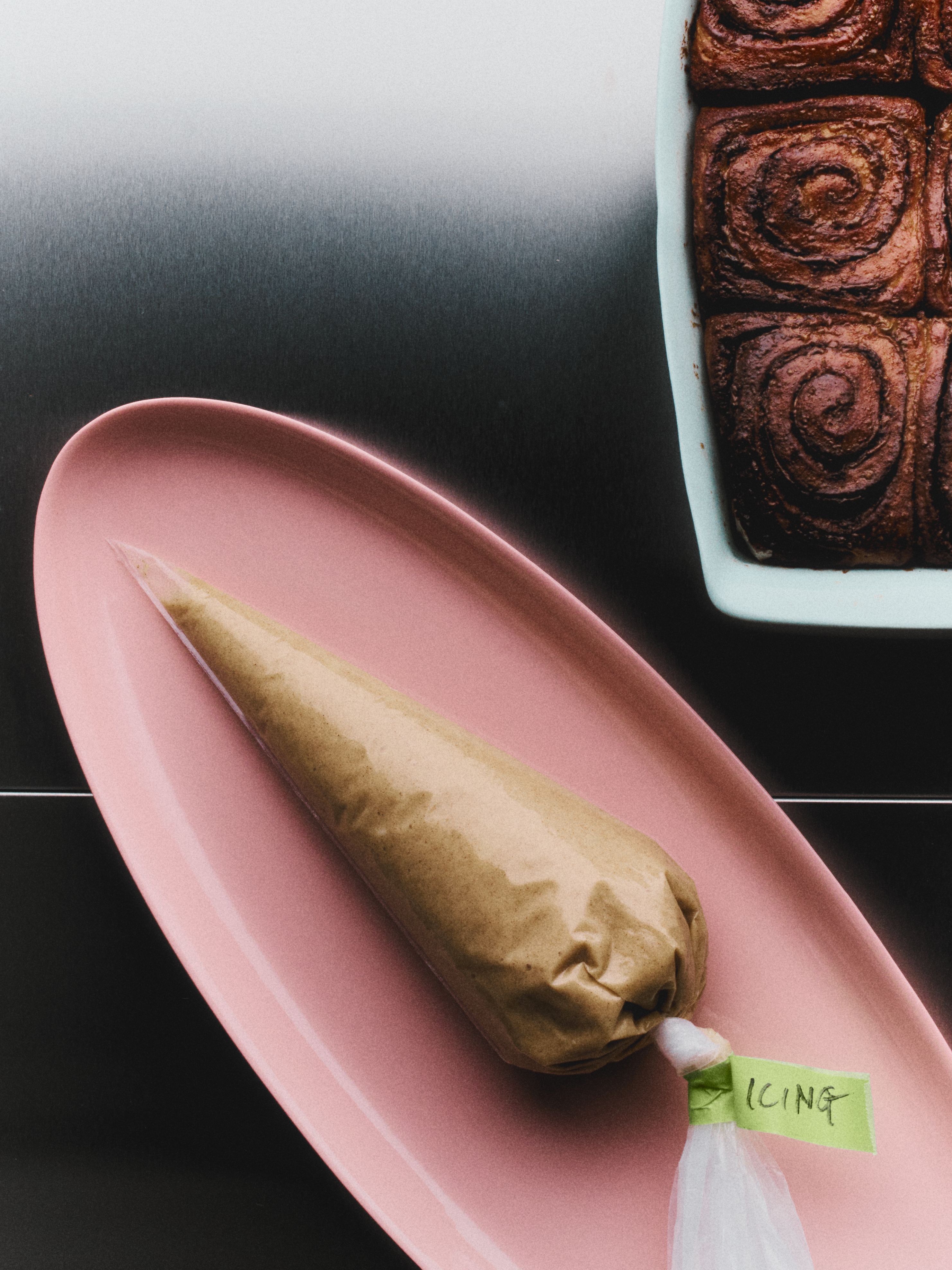
Baker Bleu has quickly become an institution and destination bakery for bread lovers in Melbourne and Sydney. Now, their team has adapted their much-loved cinnamon buns into a recipe that any skilled home baker can master at home.
Combining pillowy brioche dough with a rich cinnamon butter and a tangy crème fraîche glaze, this recipe brings the ultimate bakery luxury straight to your kitchen.
Ingredients
Brioche dough
Bread flour — 345g / 2 ¾ cups
Raw sugar — 49g / ¼ cup
Salt — 5g / ¾ tsp
Dried or fresh yeast — 10g dried / 30g fresh
Eggs — 65g (about 2)
Milk — 155g / ⅔ cup
Unsalted butter, room temp — 118g / ½ cup
Cinnamon butter
Unsalted butter, room temp — 93g / 6 ½ tbsp
Brown sugar — 93g / ½ cup
Salt — 3g / ½ tsp
Ground cinnamon — 15g / 1 ¾ tbsp
Cinnamon glaze
Icing sugar — 100g / ¾ cup
Cinnamon sugar — 10g / 2 ½t tsp
Thickened cream — 35g / 2 tbsp + 1 tsp
Crème fraiche or sour cream — 15g / 1 tbsp
To assemble
Mud Australia Baker Small
Melted butter, cooled, for greasing
Plain flour for dusting, plus extra as needed
For the brioche dough
Combine the flour, sugar, salt and yeast in the bowl of a stand mixer fitted with the dough hook attachment and mix for about 1 minute. Remove the bowl from the mixer.
In a separate bowl, break up the eggs with a whisk then whisk in the milk. Using a spatula, fold the egg mixture into the flour mixture, ensuring there’s no flour left at the bottom of the bowl.
Return the bowl to the stand mixer and mix at medium speed for 3 minutes, until the dough comes together. Divide the butter into three equal portions and, with the mixer running, add one butter portion and mix for 4 minutes, ensuring it is well incorporated after each addition. Repeat for the remaining butter portions, scraping the side of the bowl before each addition.
Test if the dough is ready by taking a small piece and stretching it. If you can see through it, the dough is glossy and all the butter is well incorporated with no chunks, it’s ready to be rested.
Lightly spray a large bowl with oil and transfer the dough to the bowl. Cover with plastic wrap and refrigerate overnight.
Cinnamon butter
Add all the ingredients to the bowl of a stand mixer fitted with the paddle attachment. Mix on medium speed for 3 minutes, then scrape down the sides of the bowl.
Mix for a further 2 minutes, or until the cinnamon butter is light and smooth.
Leave at room temperature until ready to use.
Cinnamon Icing
Whisk all the ingredients together in a bowl until smooth. Leave at room temperature until ready to use.
To shape, proof and bake the buns
Lightly dust a work surface with flour. Using a rolling pin, roll the dough into a 40 x 28 cm rectangle, about 4 mm thick, with one long side facing you.
Using a palette knife, spread the cinnamon butter evenly over the dough, leaving a 2 cm border all around. Reserve about 20 g of the butter for later.
Starting with the long side closest to you, roll the dough up tightly like a roulade. Gently even out the roll until it measures 26–28 cm long, then cover and refrigerate for 10 minutes to rest.
Cut the roll into 6 equal portions, about 5 cm wide and approximately 145 g each. Arrange them in the tin in 2 rows of 3.
Spread a thin layer of the remaining cinnamon butter over the outside of the rolls
To create a proofing chamber, place a pot with 2 cups of freshly boiled water in the bottom of your turned-off oven. Put a baking tray on the shelf directly above the water, then place the tin of buns on the shelf above. Close the door and prove for 2–3 hours, or until the buns have risen by about two-thirds.
Remove the tin of proofed buns and the pot of water from the oven. Preheat the oven to 170°C/325°F fan-forced (190°C/375°F conventional). Bake for 25–30 minutes, or until golden and a skewer inserted into the centre comes out clean. While the buns are still warm, brush them generously with cinnamon glaze until glossy and moist.