At home with Mikala James
Founder of Loom Atelier, Mikala James invites us into her home in the Victorian Alps, where motherhood, an off-grid way of living, natural materials and daily rituals shape a considered approach to life, craft and family.
Founder of Loom Atelier, Mikala James invites us into her home in the Victorian Alps, where motherhood, an off-grid way of living, natural materials and daily rituals shape a considered approach to life, craft and family.
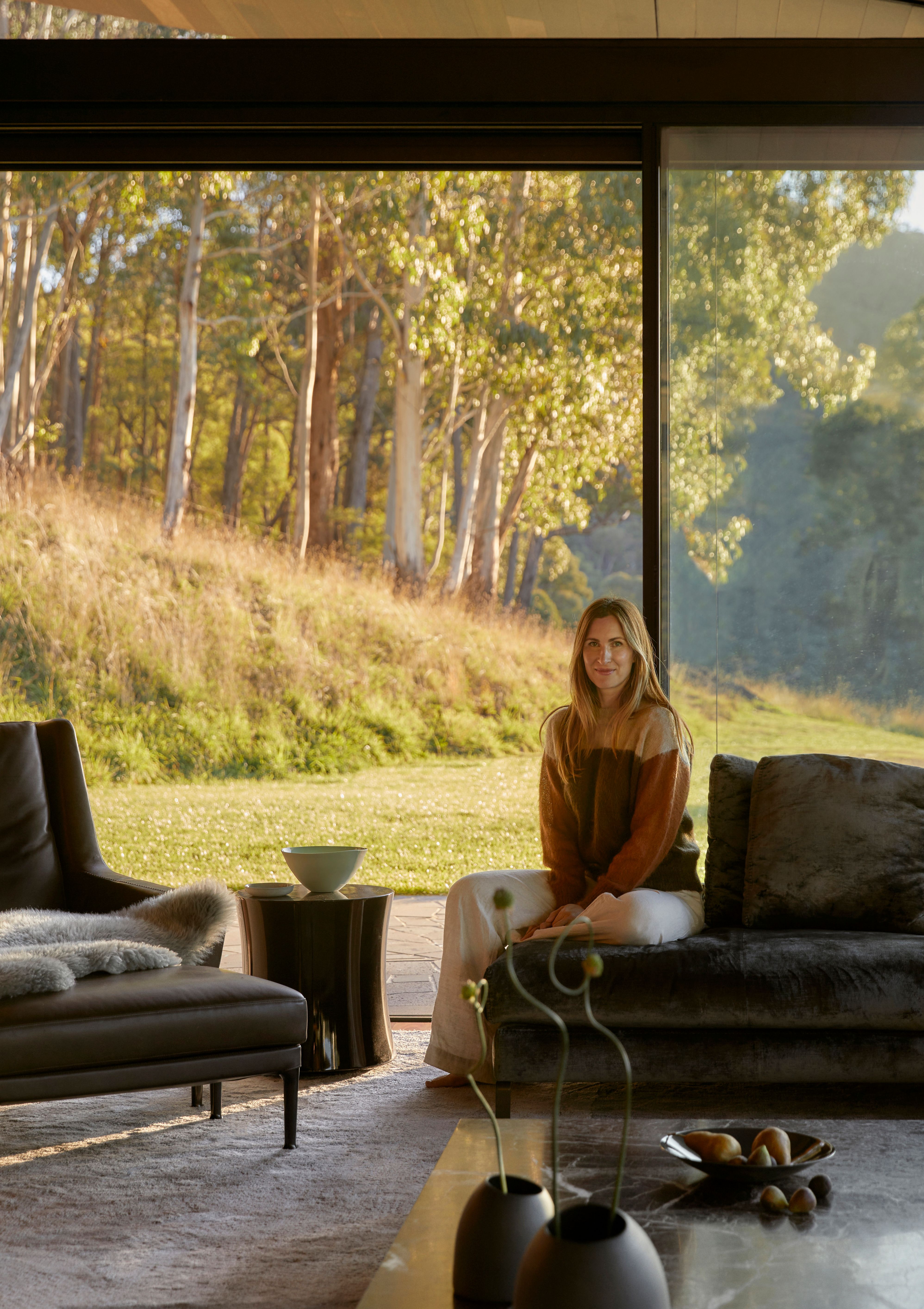
Photography by Caitlin Mills
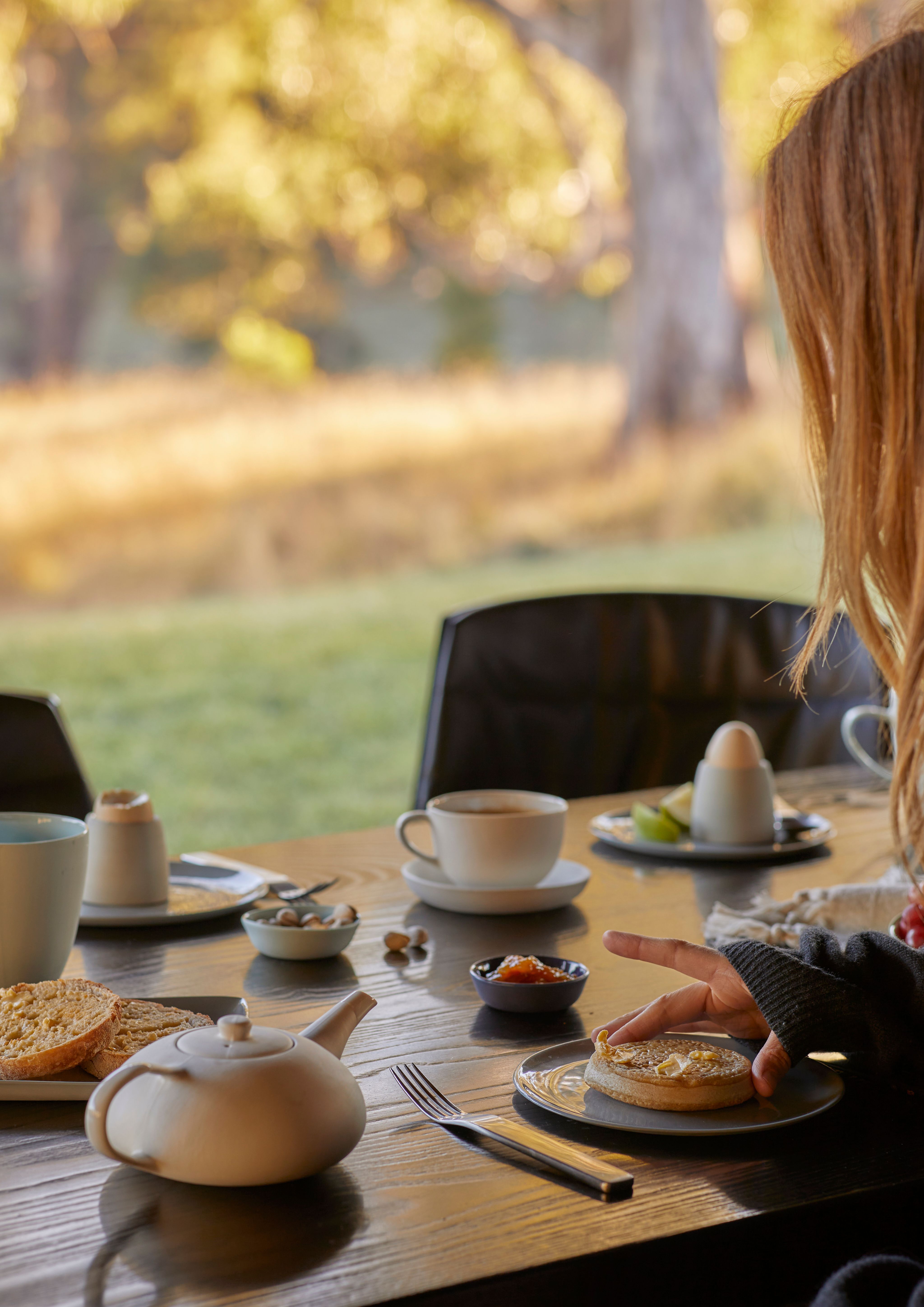
I’ve always been drawn to tactile things. Even before Loom, I was interested in fabric, interiors and fashion. Living in London, I initially studied fashion design before moving into commerce, but it was while travelling through Turkey in my early twenties that something really clicked. I came across traditional woven towels and became fascinated by the craftsmanship behind them. The looms, the history of the weaving, and the way colour and texture were built thread by thread. At the time, in 2011, I saw a real opportunity. I was interested in the idea that something used every day could also feel beautiful and special.
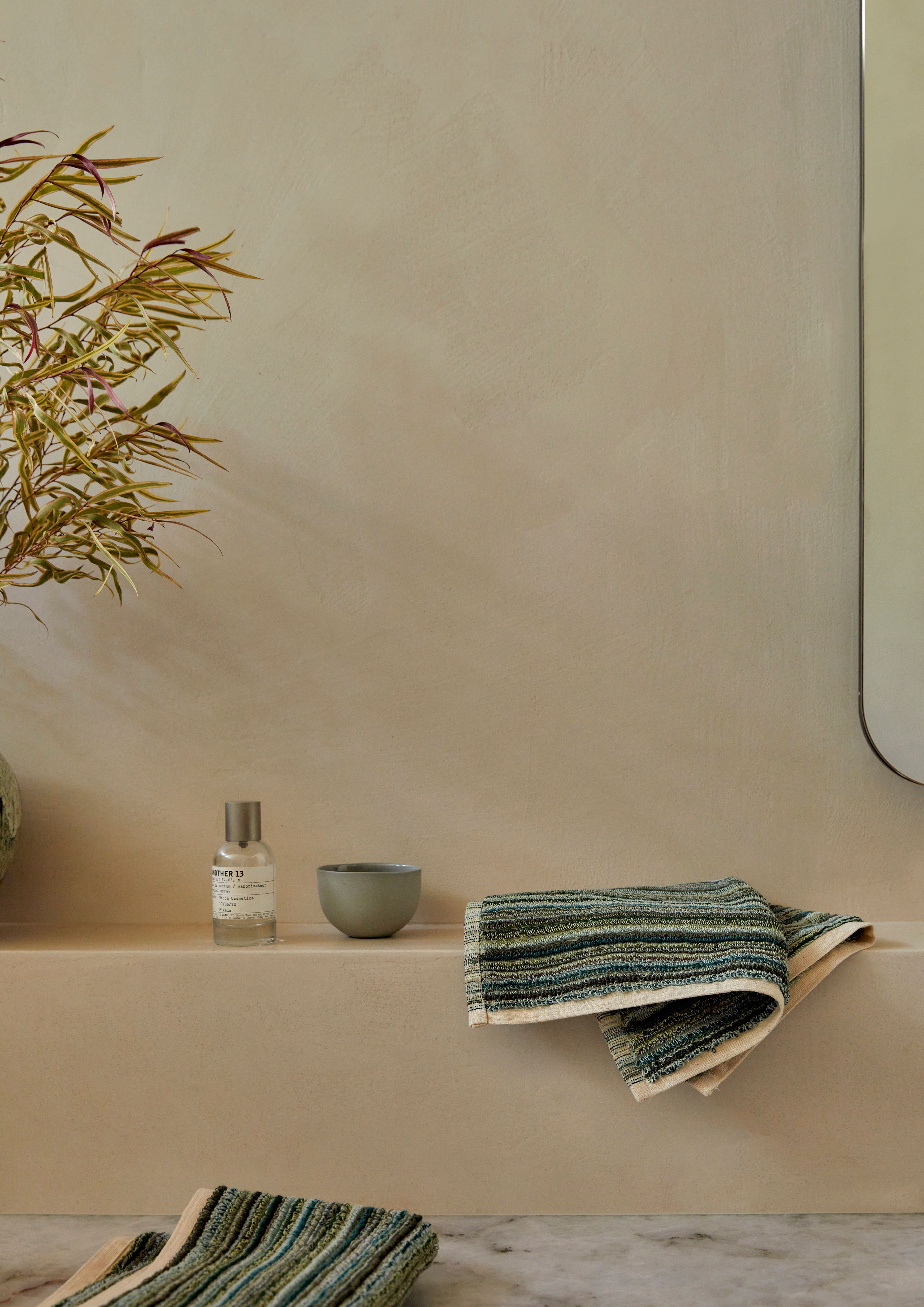
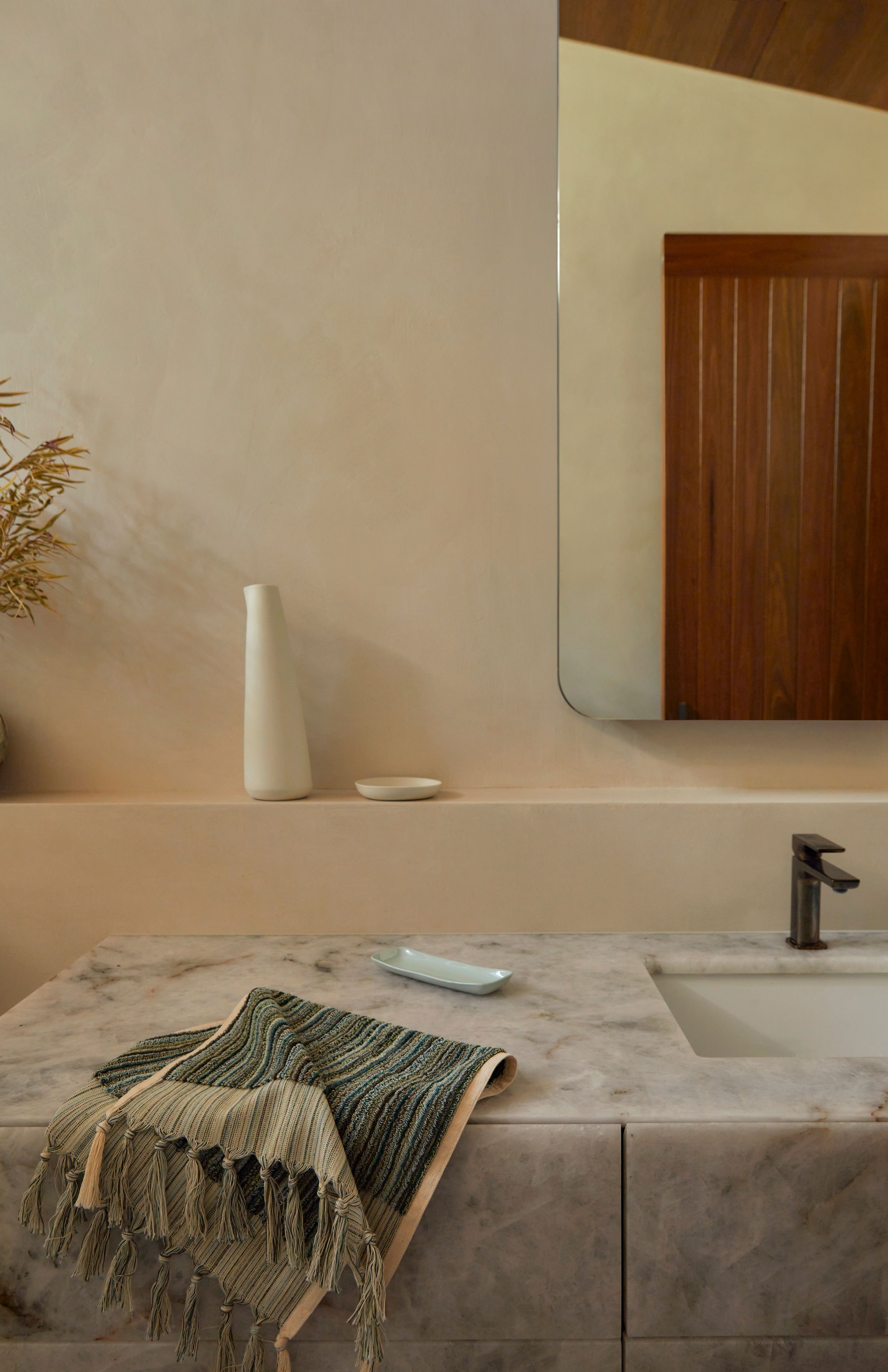
With Loom, I also wanted towels to be presented differently. I was more interested in photographing them like fashion or interiors, layered into spaces, draped naturally and captured in bathrooms. That approach felt quite unconventional at the time.
Thankfully, we’re drawn to many of the same things. We both appreciate craftsmanship, artisan-made furniture and spaces that feel layered and personal rather than overly decorated. Quality is very important to us, as is the balance between old and new. Rob has an incredibly good eye and I’ve learnt a huge amount from him over the years. At the same time, he really values my creative opinion too.
We’re currently designing our dream home in Sydney together and it’s been a really enjoyable process. Neither of us are precious about ideas or attached to them for the sake of ego. We simply want the best outcome and will keep refining things until they feel right. A lot of our inspiration comes from travel, architecture, hotels, books, art and interiors we’ve experienced over time.
I don’t think balance really exists in a perfect sense. It’s definitely a juggle. There are periods where work is thriving and I feel less present than I’d like to as a mother, and other moments where I’m immersed in family life and work naturally slows. I’ve stopped expecting every area of life to operate perfectly at the same time.
Motherhood has made me far more protective of my time and energy, but also much more instinctive creatively. I don’t overanalyse things the way I perhaps used to, and I move on from problems very quickly. I’m incredibly solution-driven now. There’s more trust in my instincts, both creatively and personally. Becoming a mother strips away a lot of noise and makes you very clear on what actually matters.
Becoming a mother has made me far less precious about home. The reality is, when you have children, a home rarely sits exactly as you imagined or designed it to look. There are toys everywhere, drawings on benches, little shoes scattered through rooms, constant movement. But with that comes an incredible energy and sense of life. I’ve learnt not to fight that too much.
I still care deeply about beauty and atmosphere, but I no longer feel the need for everything to appear overly resolved all the time. The most memorable homes usually carry evidence of the people living within them. Children completely change the feeling of a space. They bring spontaneity, warmth, curiosity and humour. There’s something very beautiful about that contrast against architecture, art and carefully considered interiors. It softens everything in the best way.
I also know this stage is fleeting. One day the house will be perfectly quiet and tidy again, and honestly, that feels far sadder to me than the chaos does now.
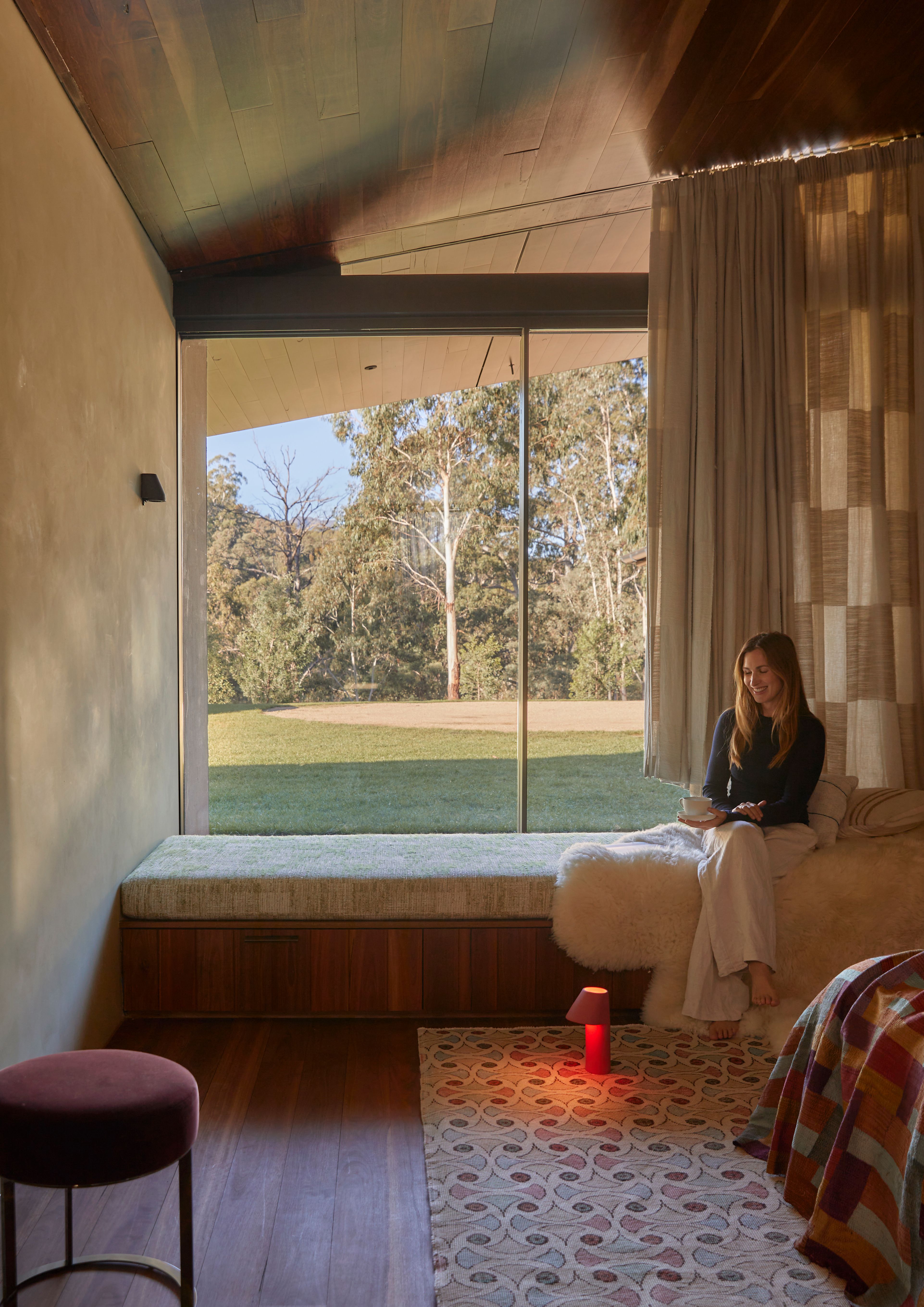
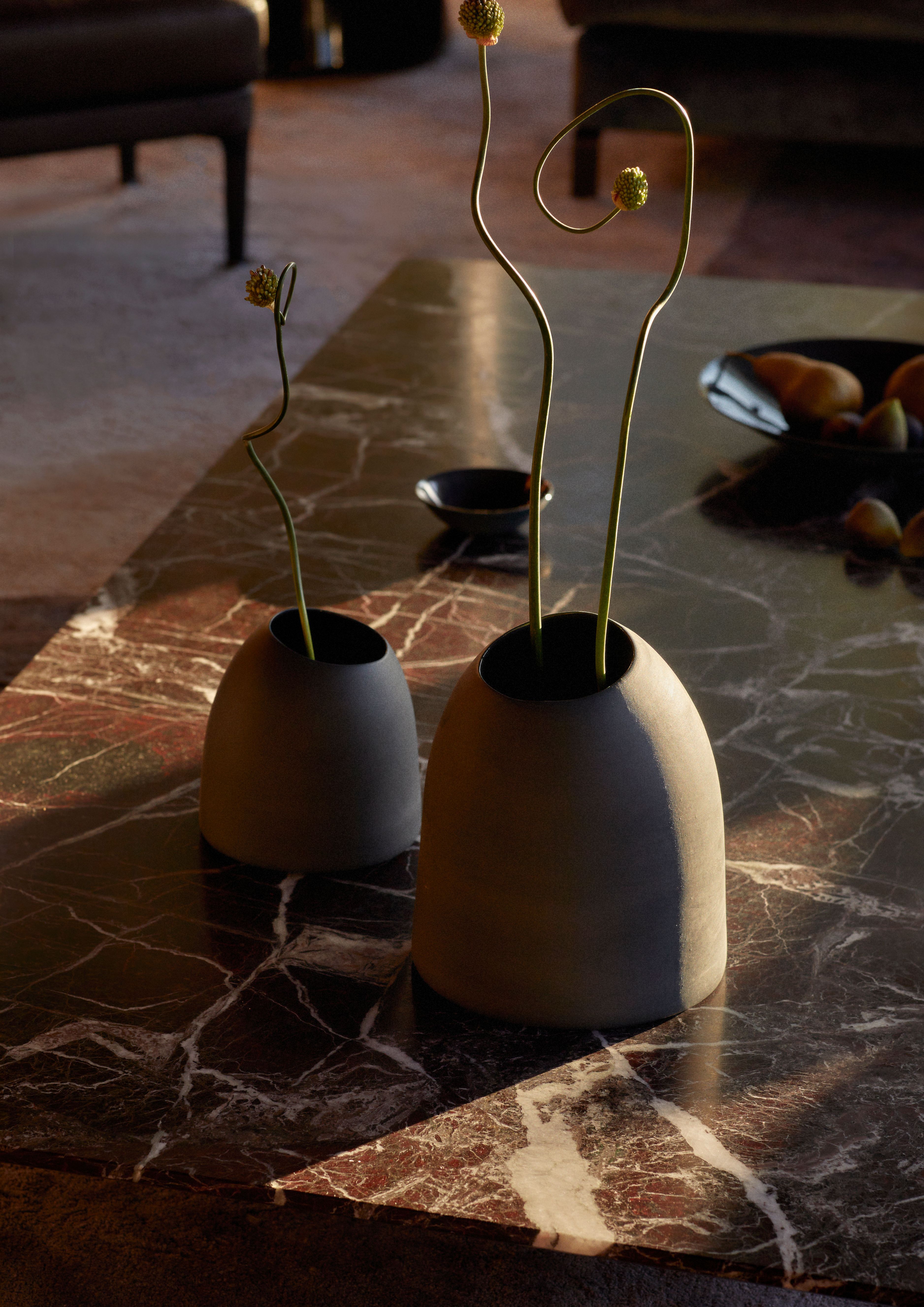
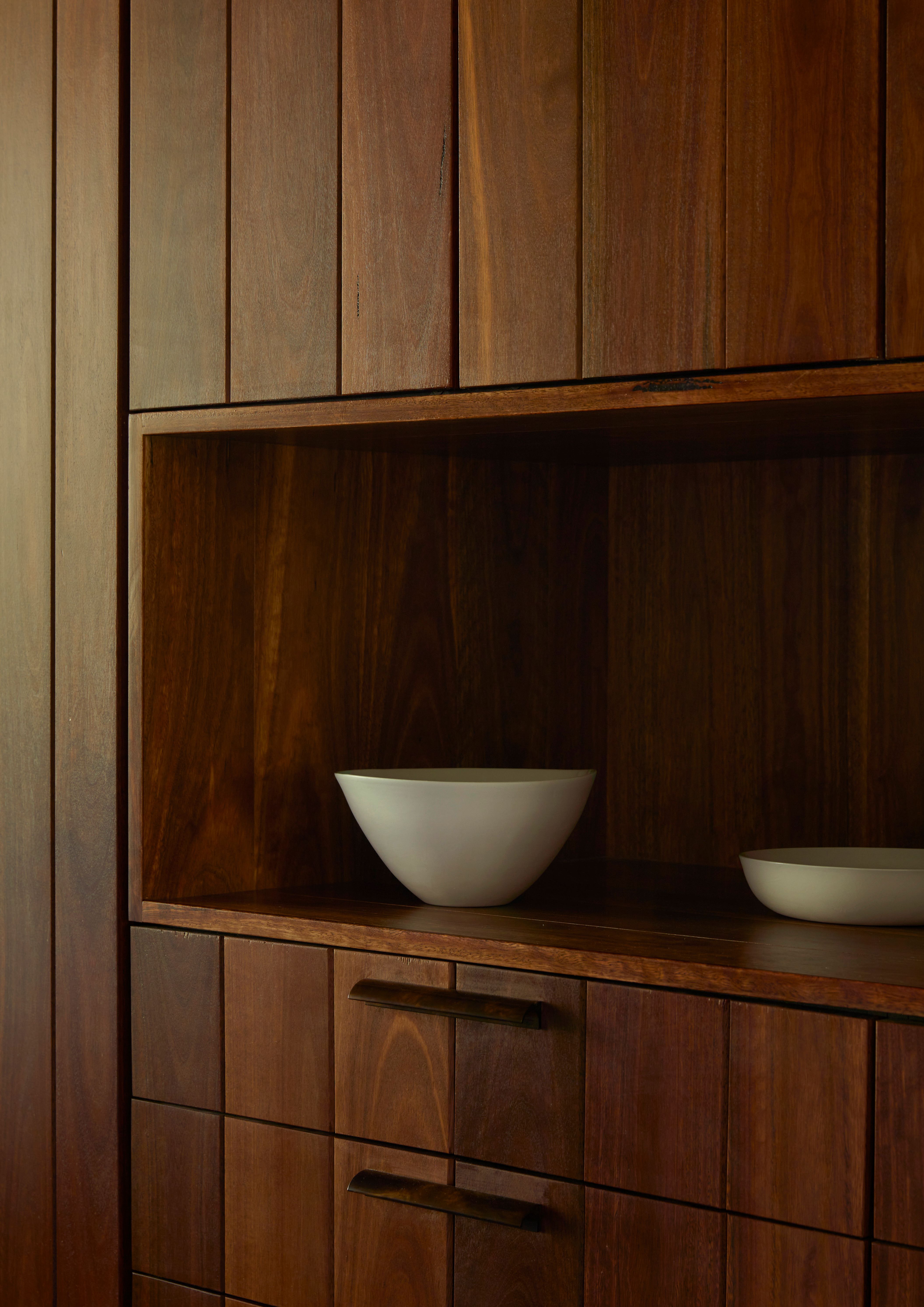
They’re very different emotionally. Our apartment in Armadale is more layered and colourful, with a stronger and slightly unexpected palette. There’s marble, dark timber, objects collected over time, books and art. It sits amongst restaurants, the office, kinder drop-offs and the pace of daily life.
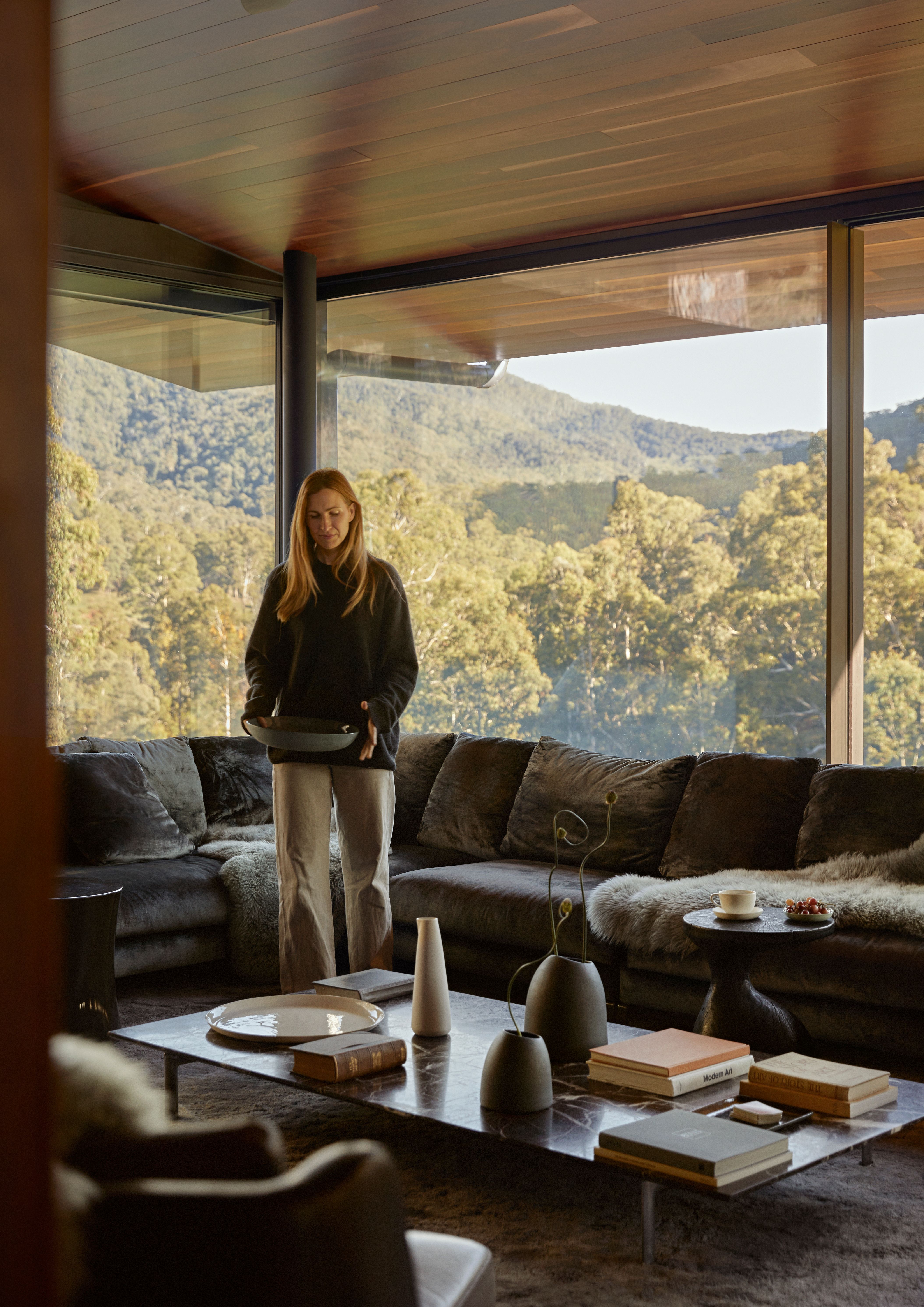
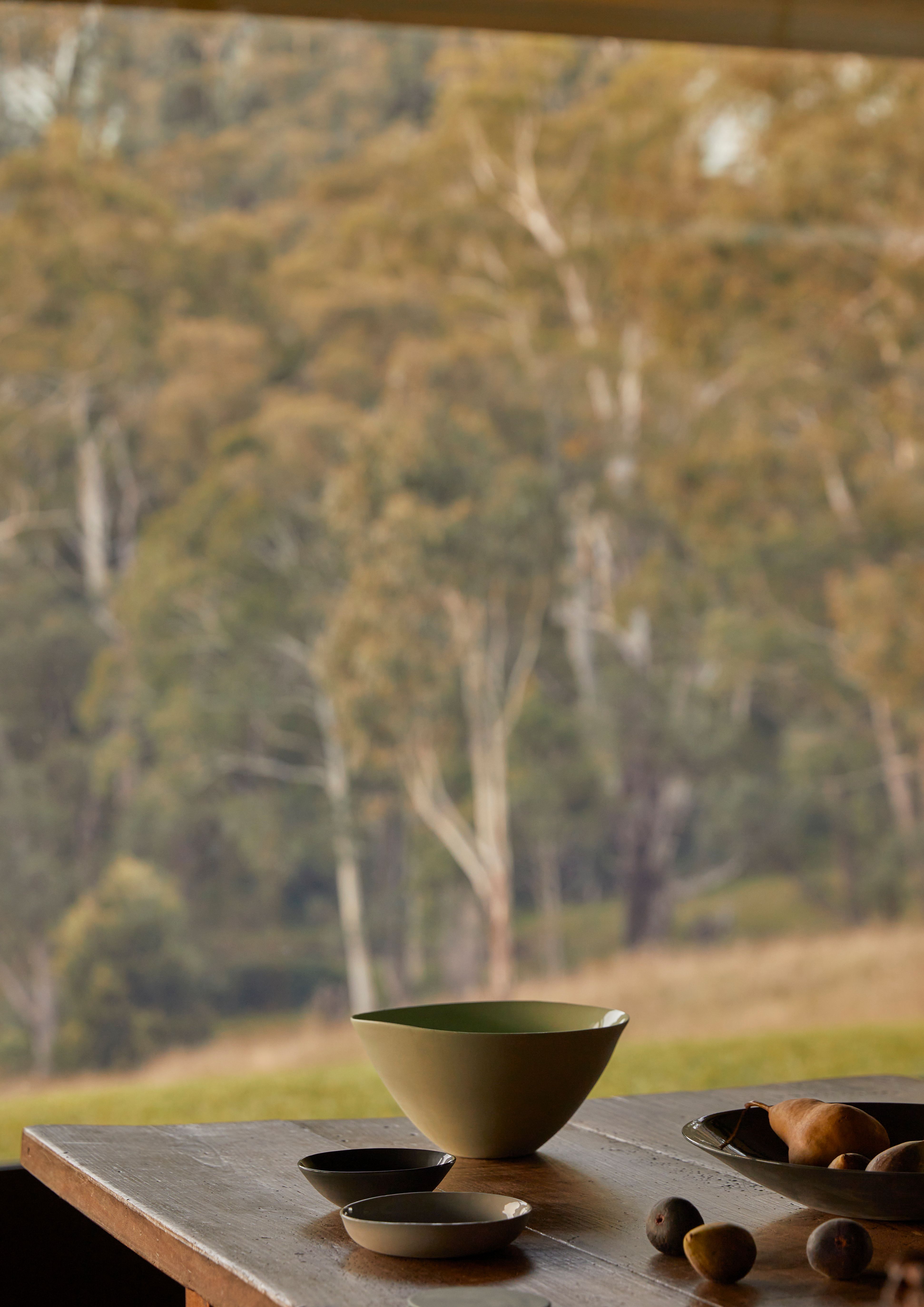
Howqua is the opposite. The architecture and surrounding landscape do most of the work there, with colours drawn directly from the environment. It’s peaceful and grounding, and we live very differently there. We cook on fire, read, hike, go to bed earlier and rise earlier. It feels healthy, nurturing and deeply recharging.
I look to nature most of the time, probably 90 per cent. The remaining inspiration comes largely from art, particularly the Impressionist era and the way colour was layered, as well as artists such as Gustav Klimt and Vincent van Gogh. Vincent actually painted shuttle looms.
The designs are intended to feel beautiful long beyond a particular moment or trend cycle. I’m interested in palettes that become more complex the longer you live with them. Palettes with depth, undertones and subtlety. I rarely use fewer than twelve colours in a design, sometimes closer to thirty. Even when the overall feeling appears cohesive from a distance, up close there’s often far more complexity within the weave. That allows a design to behave differently depending on the space around it.
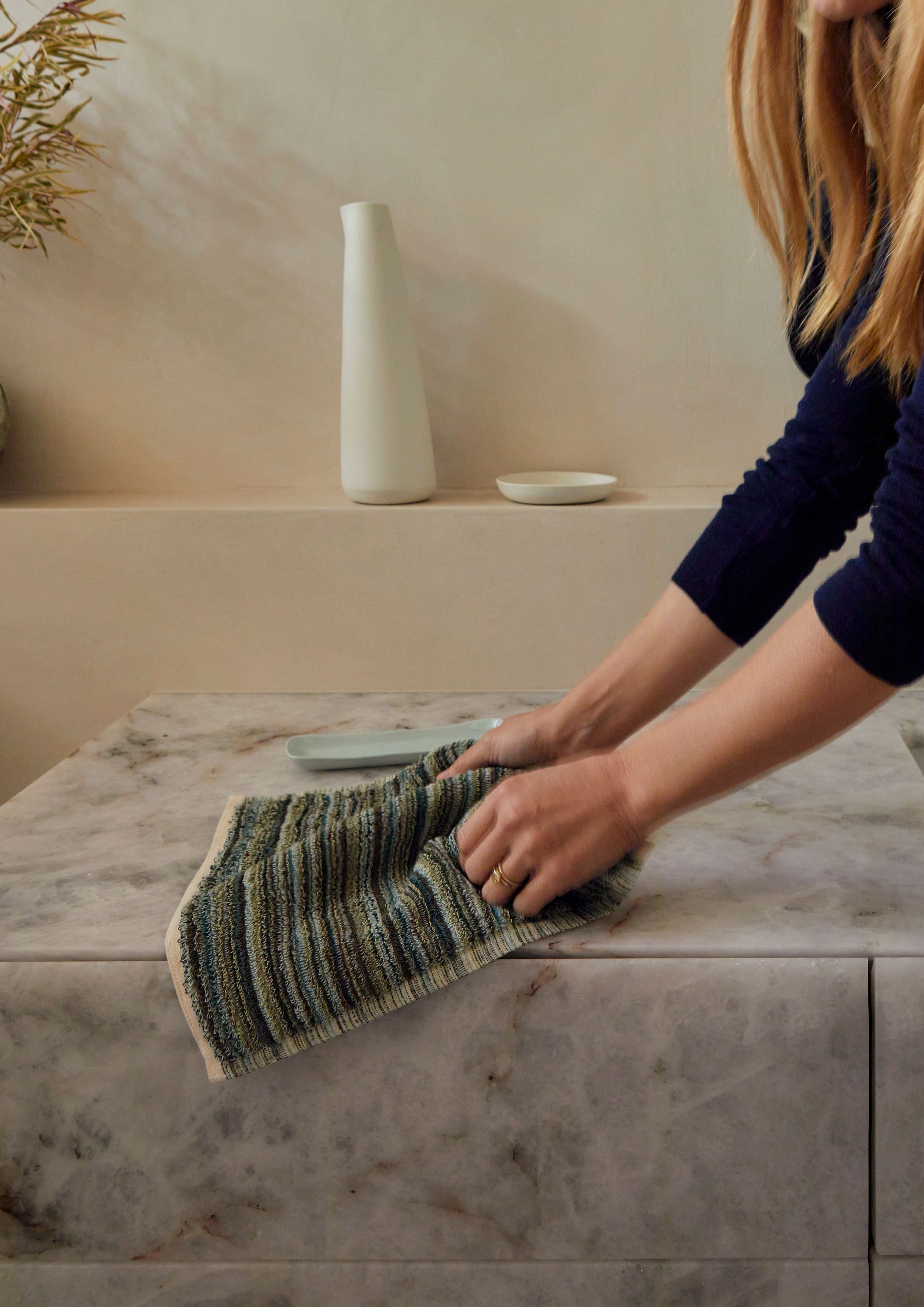
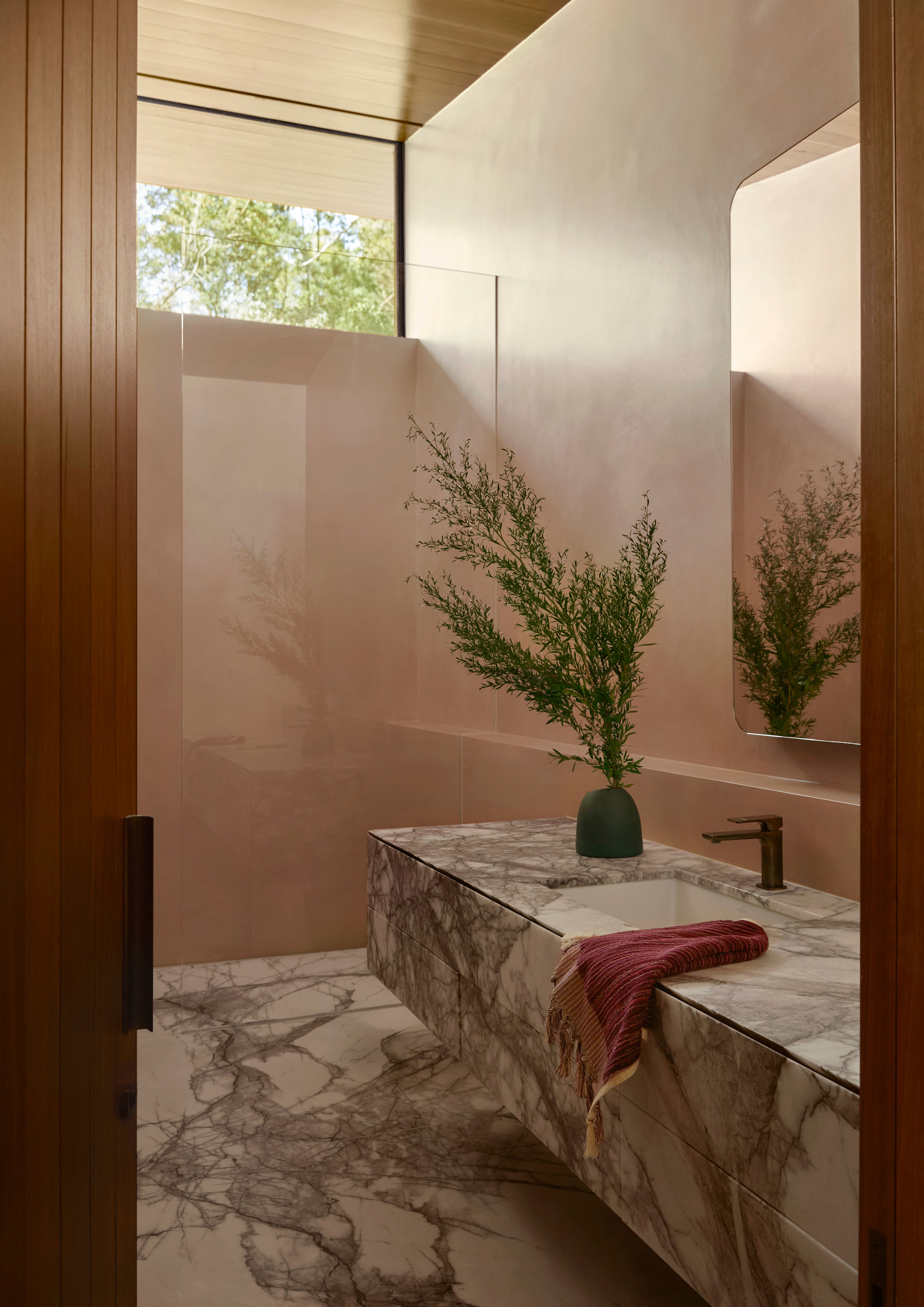
The same towel can appear lighter, greener or moodier depending on the materials, lighting and atmosphere of the bathroom it’s in. Towels are also very intimate objects. You experience them in early morning light, steam, shadow and at the end of the day. Colour behaves differently in those moments, and I think about that a lot when designing.
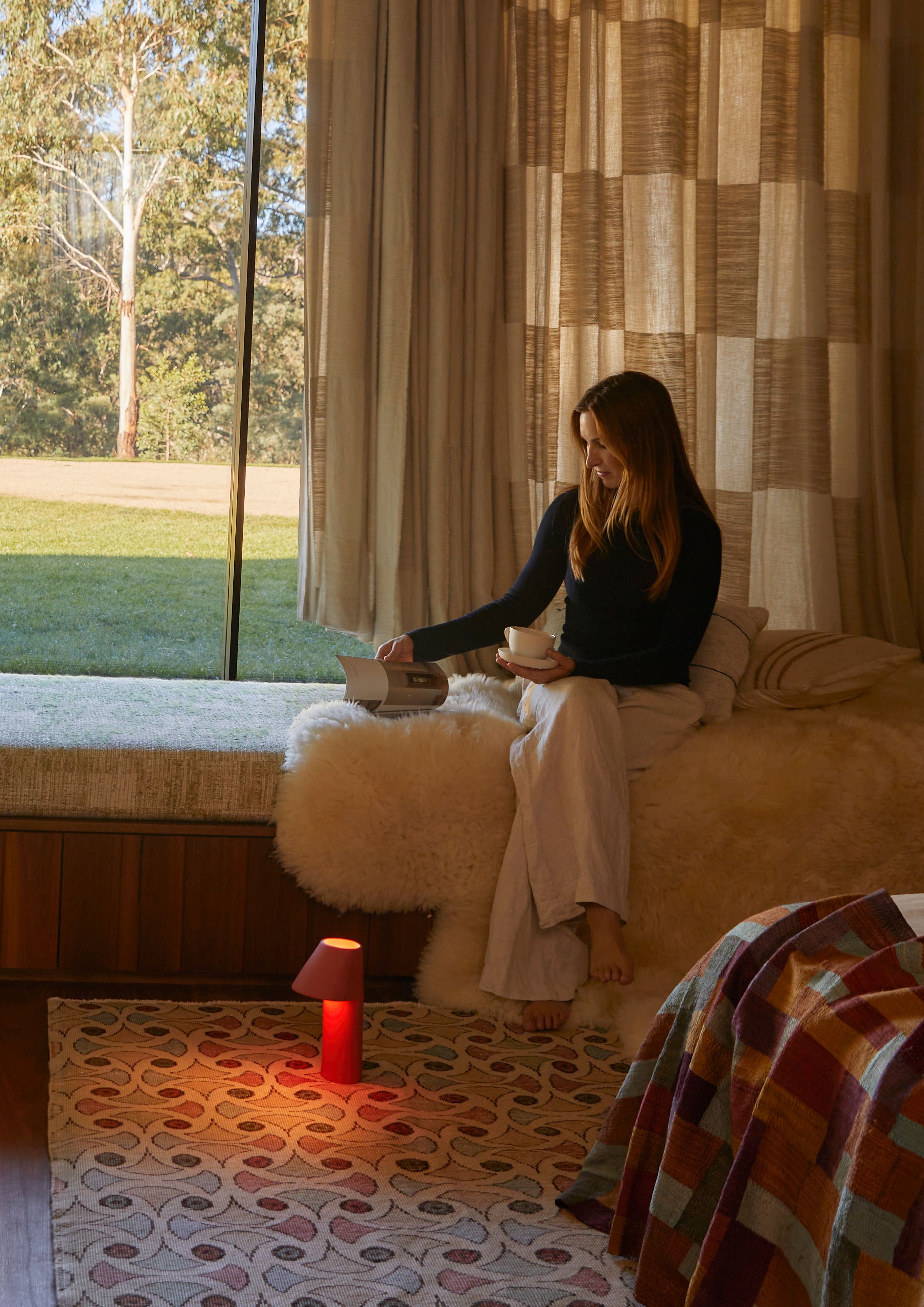
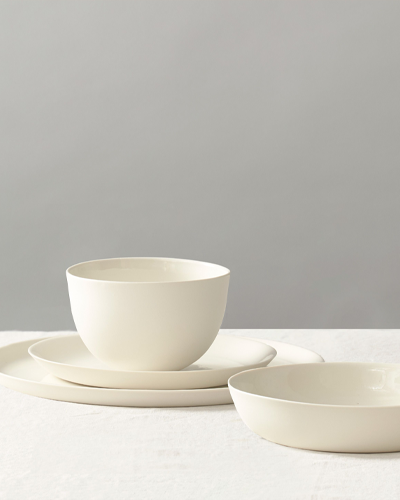
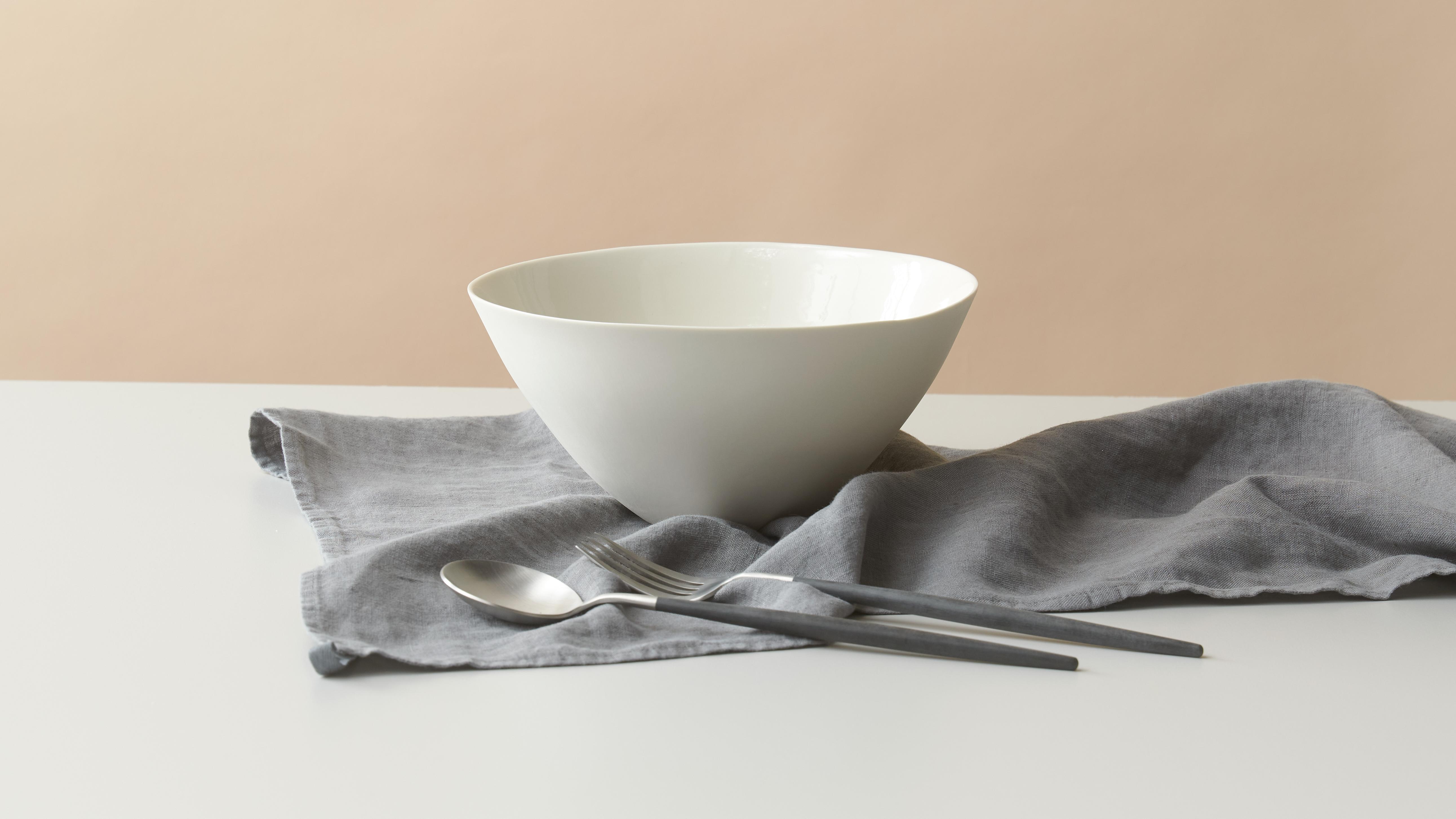
I love drinking coffee from the mugs. There’s something very satisfying about their weight and shape in your hands first thing in the morning. I also use the larger serving bowls and platters constantly when entertaining. Cheese, fruit and simple salads. They make everything feel elevated without trying too hard.
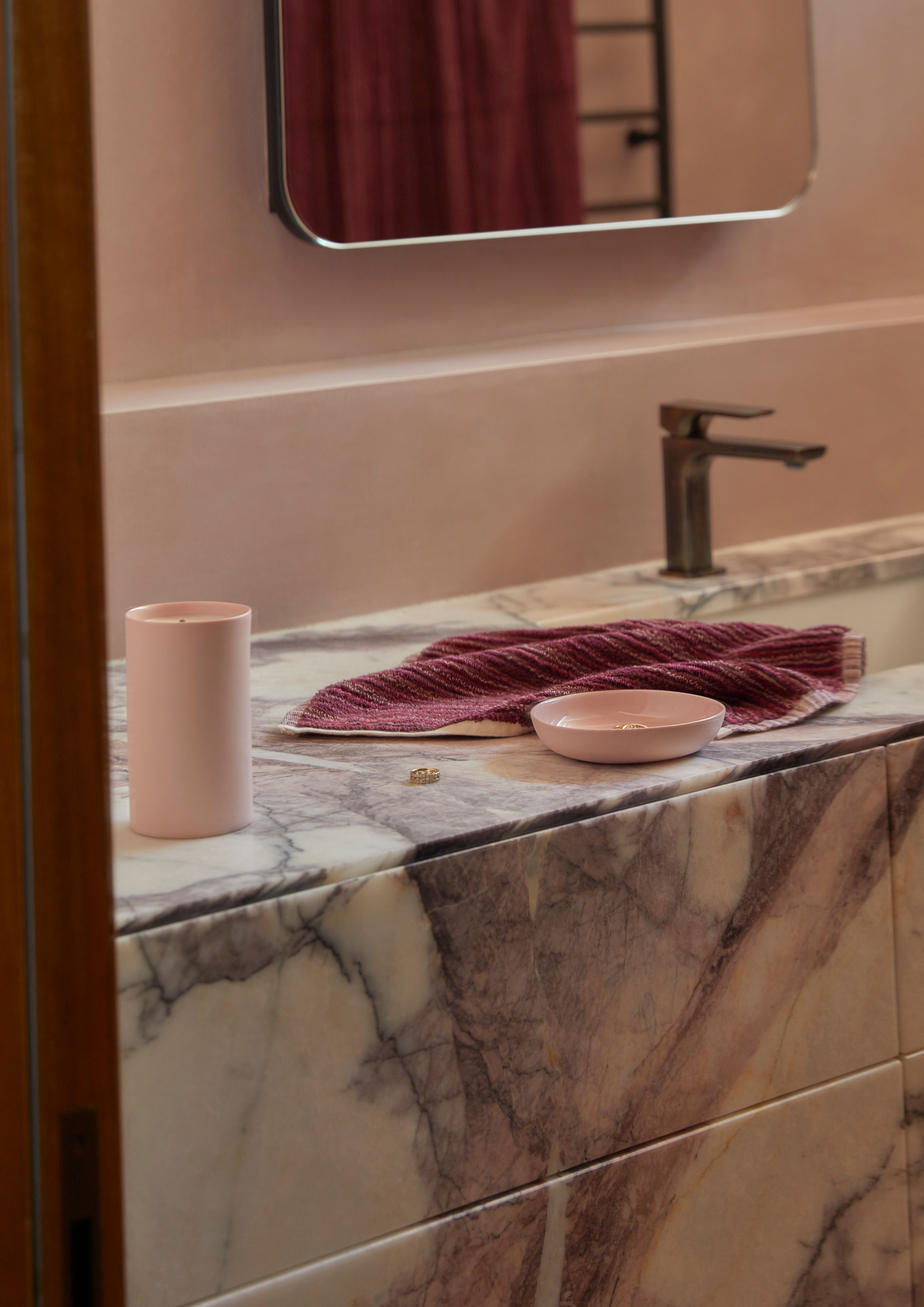
I love the smaller pieces too. I always have a little dish beside my bed or in the bathroom to place my rings in at the end of the day. I think Mud pieces are incredibly elegant because they feel refined, yet still very liveable.
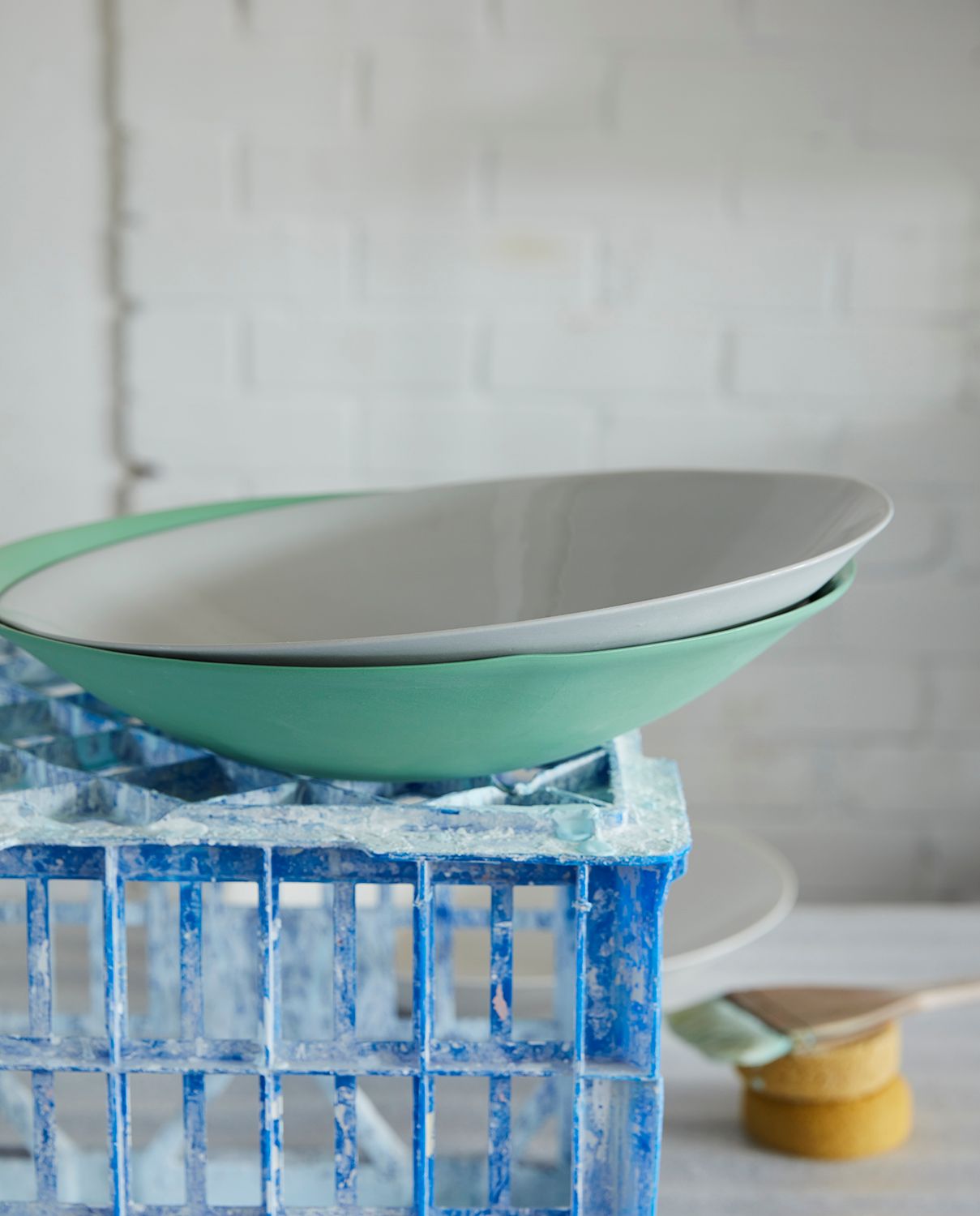
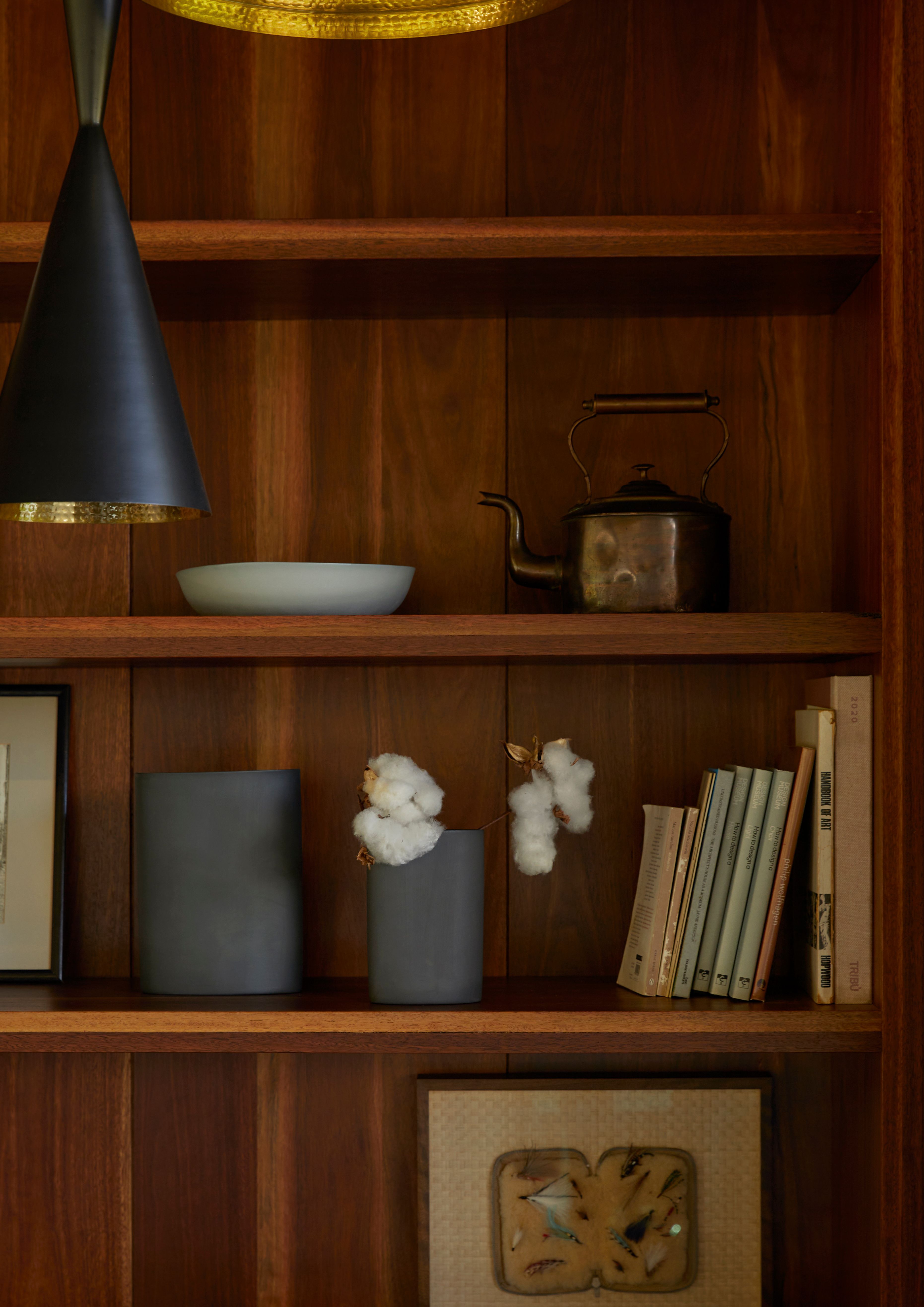
I’m generally drawn to the softer, chalkier tones. Colours that allow food, flowers and surrounding objects to come alive against them rather than compete for attention.
Interestingly, I’m not overly attached to objects in a precious way. Good bedding, beautiful towels, textiles, lighting, music, books and art. Those things shape how a home feels.
That said, there are pieces that have moved with us from home to home. Rob and I both love beautiful lighting, so lamps are a big one for us. We have them in almost every room. There’s also an antique desk that has followed us through different homes over the years, along with Rob’s Aboriginal art collection.
There’s also a small paperweight Rob bought me in Venice years ago. It’s incredibly intricate and colourful, almost like a tiny sculpture. I love it because it feels both sentimental and beautifully crafted.
Nest Bowl Medium
GBP 132.00
Available in 19 colours
Mug
GBP 54.00
Available in 19 colours
Vase Oval Medium
GBP 168.00
Available in 8 colours
Water Jug
GBP 136.00
Available in 19 colours
Pebble Bowl Small
GBP 30.00
Available in 19 colours
Noodle Bowl Small
GBP 48.00
Available in 19 colours
Flared Bowl Medium
GBP 48.00
Available in 19 colours
Teapot 2-Cup
GBP 148.00
Available in 4 colours
Egg Cup
GBP 34.00
Available in 19 colours
Salad Plate
GBP 36.00
Available in 10 colours